
CO₂ vs Fiber vs UV Laser – The Differences in Practice

CO₂ vs fiber vs UV laser – the differences in practice
When choosing a laser machine, customers very often face the question of which type of laser is best suited to their application. CO₂, fiber and UV lasers look similar at first glance, but in practice they are completely different technologies, each designed for a different type of work and material.
In this article, we explain in practical and clear terms the main differences between CO₂, fiber and UV lasers, so that you can make the right decision before you buy.
Why it is important to choose the right type of laser
A laser is not a universal tool.
What one laser handles perfectly may be completely unsuitable for another.
The wrong choice leads to:
- poor results
- slow work
- limited use of the machine
- an unnecessarily high investment
That is why it is key to choose according to the material and the way you work, not just according to price or power.
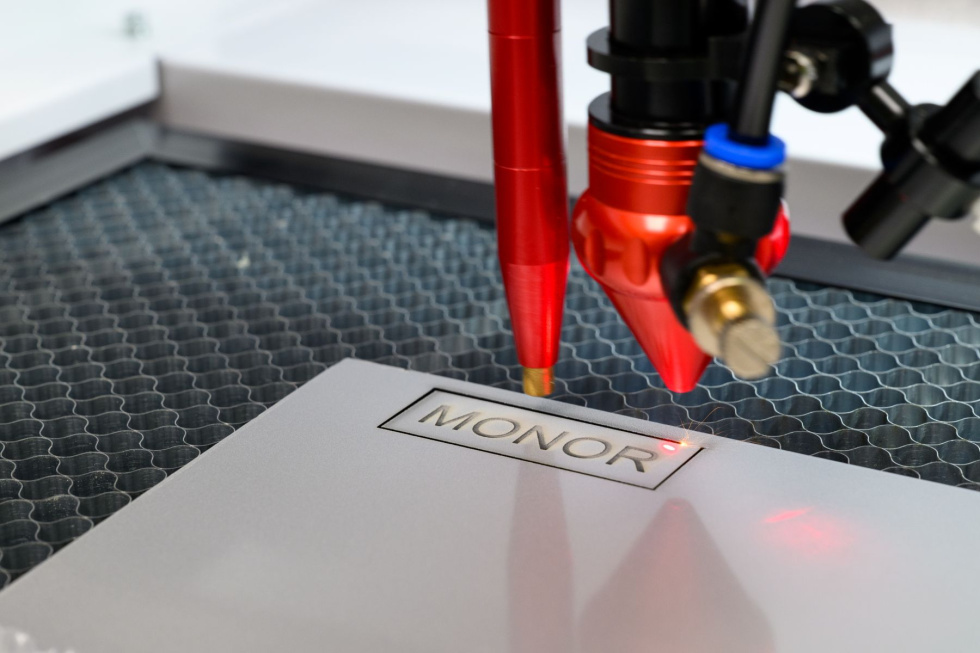
CO₂ laser – the all-rounder for non-metal materials
A CO₂ laser is the ideal solution for cutting and engraving non-metal materials. It works with an infrared beam that is absorbed very well by organic materials.
Suitable materials:
- wood, MDF, plywood
- acrylic (plexiglass)
- leather and faux leather
- rubber
- paper, cardboard
- textiles
- glass (surface engraving)
Advantages of a CO₂ laser:
- clean and smooth cuts
- a wide range of applications
- an affordable investment
- ideal for starting a business
Limitations:
- not suitable for engraving metals
- lower speed compared to a fiber laser
A CO₂ laser is a great choice for advertising studios, workshops, craftsmen and start-up businesses.
Fiber laser – professional metal marking
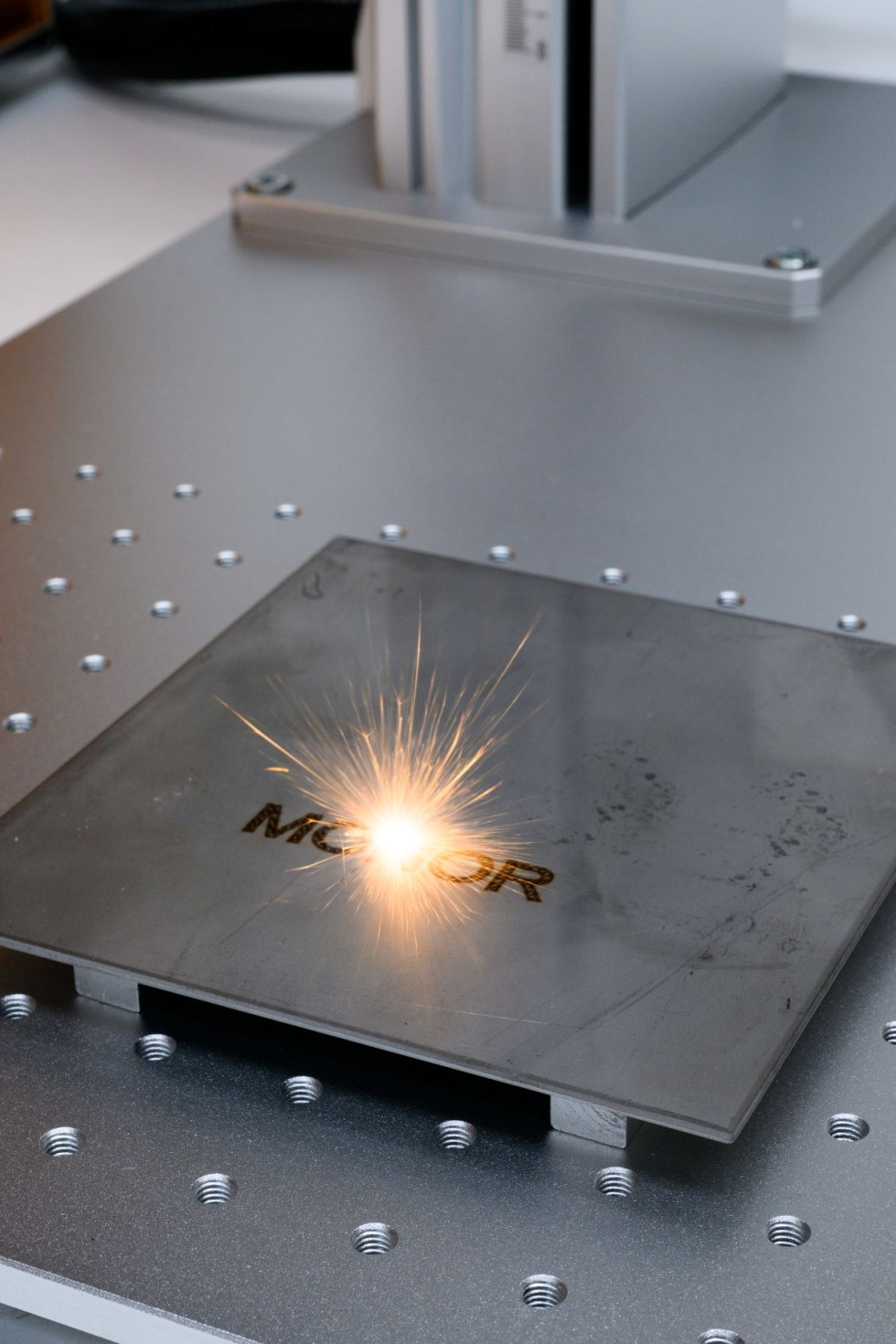
A fiber laser is designed primarily for marking and engraving metal materials. It uses a fiber laser source that provides extreme speed and precision.
Suitable materials:
- stainless steel
- aluminum
- brass
- titanium
- anodized aluminum
- tool steels
- some hard plastics
Advantages of a fiber laser:
- very high speed
- strong marking contrast
- minimal maintenance
- long source service life
Limitations:
- not suitable for wood and acrylic
- higher initial investment
A fiber laser is ideal for engineering companies, manufacturing, industrial marking and technical applications.
UV laser – maximum precision without thermal damage
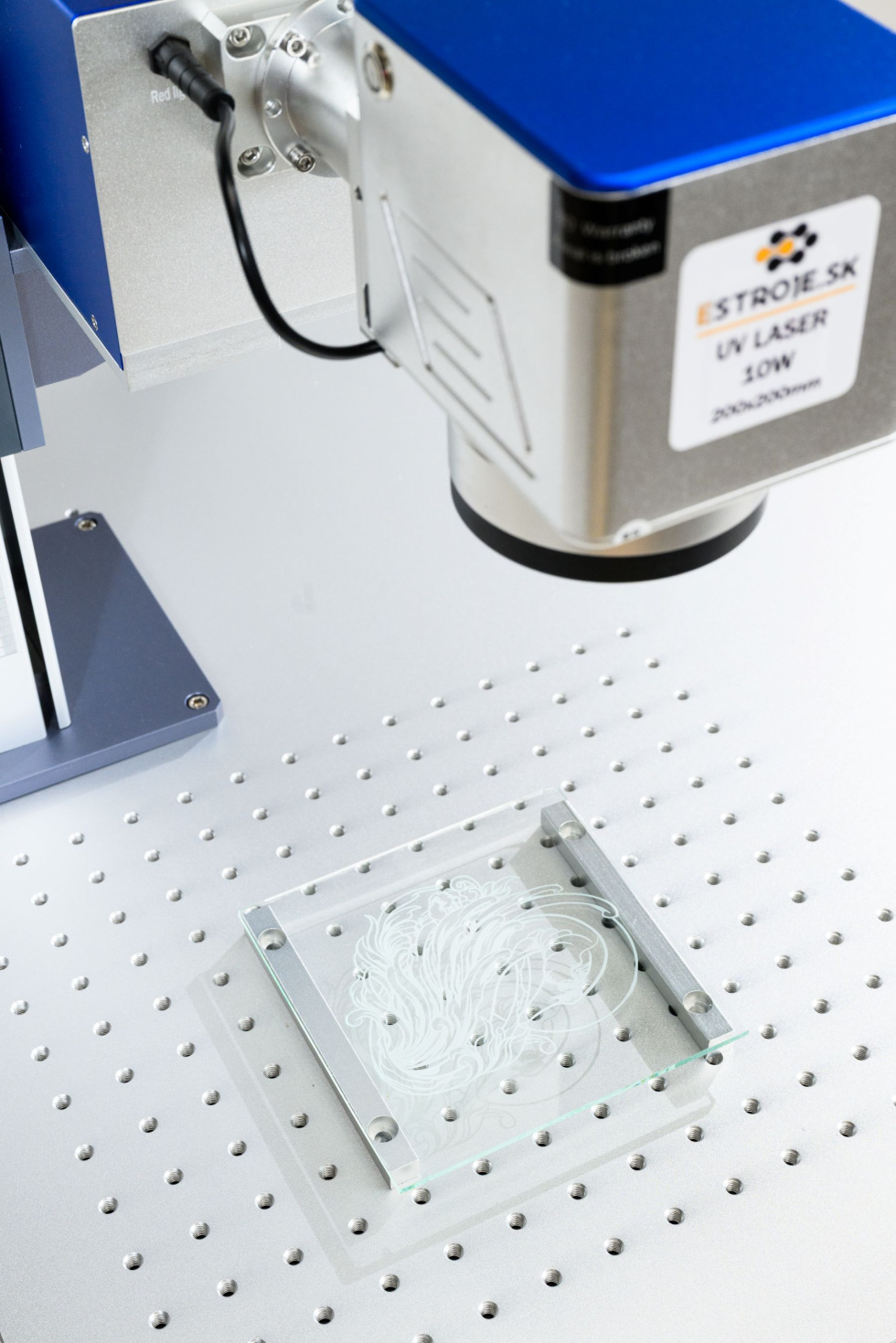
A UV laser works on the principle of so-called “cold marking”, in which the material is not burned or deformed. Thanks to its very short wavelength, it allows extremely fine details.
Suitable materials:
- plastics (ABS, PC, PA, PET)
- glass
- ceramics
- PCBs
- silicone
- surface coatings and lacquers
Advantages of a UV laser:
- exceptional precision
- no thermal damage
- ideal for micro-details
- professional results
Limitations:
- higher price
- lower power compared to CO₂ and fiber lasers
A UV laser is suitable for electronics, medical applications, laboratories and specialized manufacturing processes.
Comparison of lasers in practice
| Property | CO₂ laser | Fiber laser | UV laser |
|---|---|---|---|
| Non-metal materials | ✅ | ❌ | ✅ |
| Metals | ❌ | ✅ | ⚠️ |
| Plastics | ⚠️ | ⚠️ | ✅ |
| Speed | ⚠️ | ✅ | ⚠️ |
| Detail precision | ⚠️ | ✅ | ✅ |
| Thermal load | ⚠️ | ⚠️ | ✅ |
| Versatility | ✅ | ⚠️ | ⚠️ |
The most common mistakes when choosing a type of laser
- trying to process all materials with one laser
- choosing only on the basis of price
- underestimating future production growth
- ignoring service and the availability of parts
- buying cheap hobby solutions for professional use
The right choice saves time, money and nerves.
So which laser is right for you?
If:
- you work with wood, acrylic or leather → CO₂ laser
- you need to mark metal parts → Fiber laser
- you require maximum precision and cleanliness → UV laser
If you are not sure, it is always better to consult an expert than to make compromises.
We will help you choose the right laser
Can’t decide between a CO₂, fiber and UV laser?
We will be happy to advise you based on your materials, production volume and requirements.
Contact us using the form or the online chat.
We will reply quickly and without obligation.